Water pressure is a vital aspect of our daily lives, and we often take it for granted until the moment we turn on the tap and notice a sluggish stream instead of the usual vigorous flow. Low water pressure can be frustrating, but fear not – there are several steps you can take to troubleshoot and address this issue. Let’s dive into the possible causes and solutions to help you restore the full force of your water supply.
Check for Local Issues
Before diving into the inner workings of your plumbing, it’s essential to rule out any external factors. Contact your water utility provider to inquire about any maintenance work, repairs, or issues in your area. Sometimes, low water pressure could be a temporary problem that is beyond your control and will be resolved by the authorities.
Examine Individual Faucets
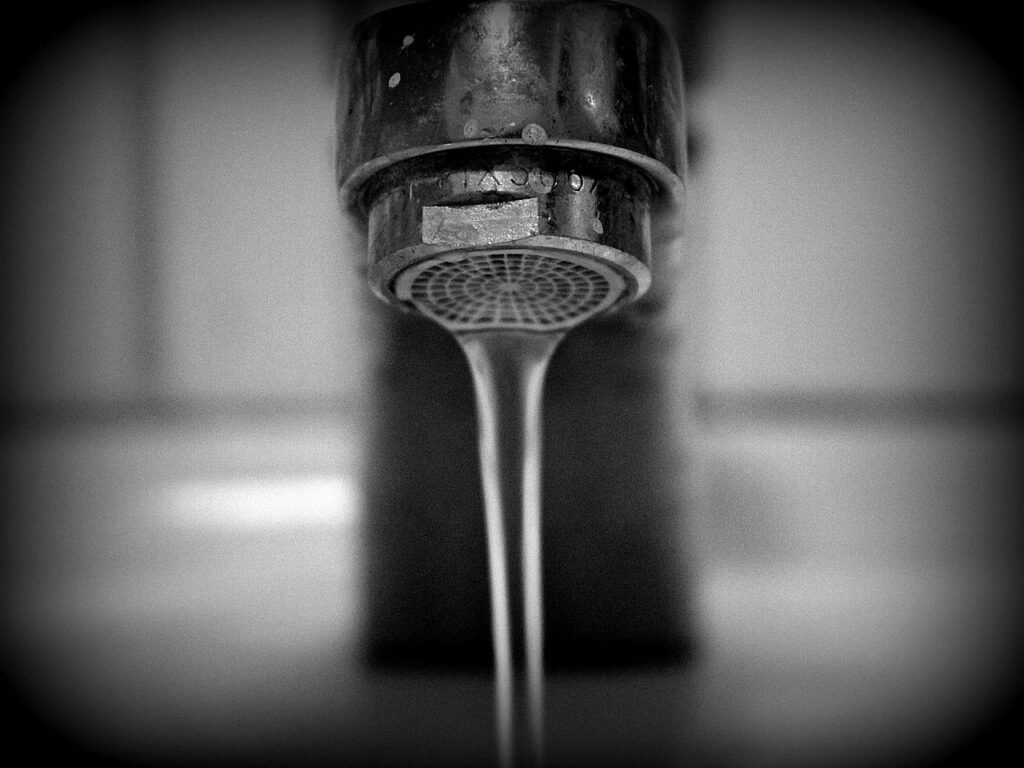
Is the low water pressure affecting only one faucet or multiple ones? By identifying whether the issue is isolated or widespread, you can pinpoint the potential source of the problem. If it’s confined to a single faucet, the aerator might be clogged. Unscrew the aerator and clean it thoroughly to remove any sediment or debris that could be obstructing the flow.
Inspect Water Valves
Check the water valves near the affected areas. Sometimes, these valves may not be fully open, leading to reduced water flow. Ensure that all the valves connected to the problematic water line are fully open. If they are partially closed, adjusting them could significantly improve the pressure.
Examine Pressure Regulator
Your home may have a pressure regulator that controls the water pressure entering your plumbing system. Locate the regulator, which is usually found near the main water shut-off valve, and check if it’s set at an appropriate pressure level. If it’s malfunctioning, consider replacing it to restore proper water pressure.
Investigate for Leaks
Leaks in your plumbing system can contribute to low water pressure. Inspect both visible and hidden pipes for any signs of leaks. Water stains, dampness, or mold growth are indicators of potential leaks. Addressing these leaks promptly not only improves water pressure but also prevents further damage to your home.
Clean or Replace Pipes
Over time, mineral deposits can build up inside your pipes, reducing water flow. If you have older galvanized pipes, they may be corroded, leading to decreased pressure. Consider consulting a professional plumber to assess the condition of your pipes and recommend either cleaning or replacing them to improve water flow.
Install a Water Pressure Booster
If all else fails and your water pressure remains persistently low, you might want to consider installing a water pressure booster. This device can increase the pressure in your plumbing system, ensuring a consistent and adequate flow of water throughout your home.
Experiencing low water pressure can be a frustrating inconvenience, but with a systematic approach, you can often identify and resolve the issue. Whether it’s a simple aerator cleaning or a more complex pipe replacement, taking the time to troubleshoot and address the root cause will ensure that you can once again enjoy the full force of water flow in your home. Remember, if you’re uncertain or the problem persists, don’t hesitate to seek the expertise of a professional plumber to help you navigate the complexities of your plumbing system.