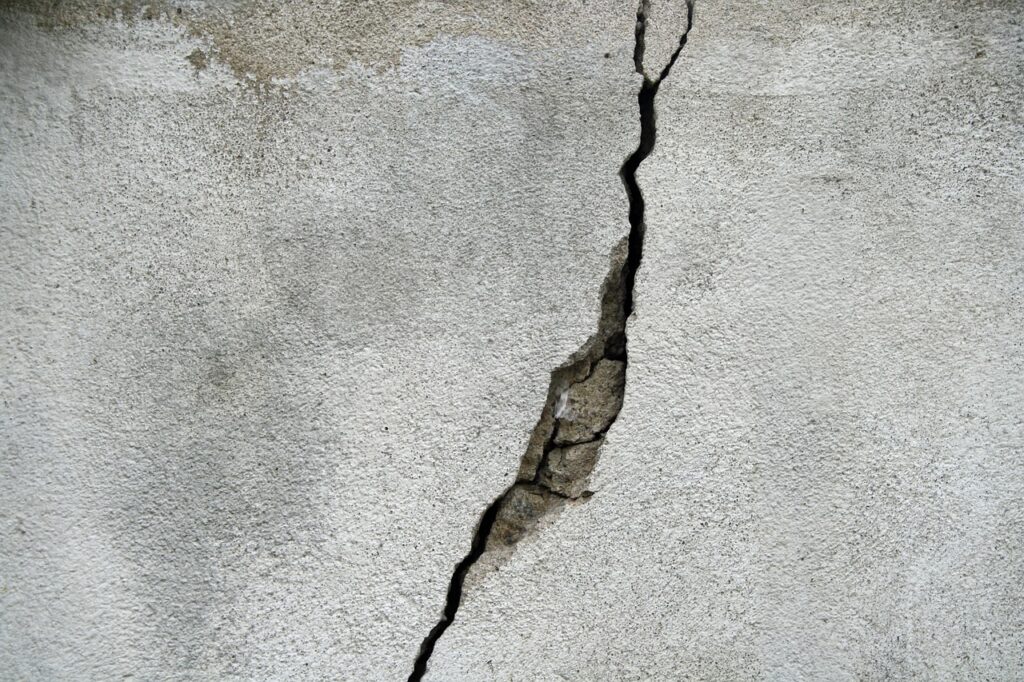
Are you noticing cracks in your walls or gaps between your floors and walls? Does your door seem to stick or jam for no apparent reason? These might be signs that your house has a sinking foundation. Foundation issues can be a homeowner’s worst nightmare, but detecting them early can save you from costly repairs down the road. In this blog, we’ll explore some common signs of a sinking foundation and what you can do about it.
Signs of a Sinking Foundation:
- Cracks in Walls and Floors:
One of the most obvious signs of a sinking foundation is the appearance of cracks in your walls, especially near windows and doors. These cracks may start small but can widen over time. Keep an eye out for cracks in your floor tiles or gaps between the floor and walls as well. - Uneven Floors:
Do you feel like you’re constantly walking on uneven ground inside your home? Uneven floors, where one part of the floor is higher or lower than the rest, can indicate foundation settlement. If you notice your furniture leaning to one side or doors not closing properly, it could be a sign of uneven floors caused by foundation issues. - Doors and Windows that Stick:
Have you ever struggled to open or close a door or window that used to function smoothly? This could be a sign that your foundation is sinking. As the foundation settles, it can cause the frames of doors and windows to become misaligned, resulting in difficulty when opening or closing them. - Sagging or Sloping Floors:
If you notice that your floors are sagging or sloping in certain areas, it’s likely due to a sinking foundation. This can be particularly evident in basements or crawl spaces where the foundation is more visible. Pay attention to any changes in the levelness of your floors over time. - Exterior Cracks and Bulges:
Inspect the exterior of your home for any cracks in the foundation itself or bulging walls. These signs indicate that the foundation is shifting, which can lead to serious structural problems if left untreated.
What to Do if You Suspect a Sinking Foundation:
- Consult with a Professional:
If you notice any of the signs mentioned above, it’s essential to consult with a qualified foundation repair specialist. They can assess the extent of the damage and recommend the appropriate course of action. - Address Drainage Issues:
Poor drainage can exacerbate foundation problems by causing soil erosion or excessive moisture around the foundation. Make sure your gutters are clean and properly directing water away from your home’s foundation. Installing a French drain or sump pump can also help mitigate drainage issues. - Consider Foundation Repair:
Depending on the severity of the problem, foundation repair may be necessary to stabilize your home’s foundation. Solutions such as helical piers, push piers, or underpinning can be used to lift and support the foundation, preventing further settlement. - Monitor Regularly:
Even after addressing foundation issues, it’s crucial to monitor your home for any signs of recurring problems. Regularly inspecting your walls, floors, and exterior for cracks or other signs of foundation movement can help catch issues early and prevent further damage. - Take Preventive Measures:
To prevent future foundation problems, consider implementing preventive measures such as installing proper drainage, maintaining consistent moisture levels around the foundation, and avoiding large trees or shrubs near the house.
In conclusion, detecting signs of a sinking foundation early is key to preventing costly repairs and maintaining the structural integrity of your home. By staying vigilant and addressing any issues promptly, you can ensure that your home remains a safe and stable environment for years to come. If you suspect foundation problems, don’t hesitate to seek professional help to assess the situation and determine the best course of action.