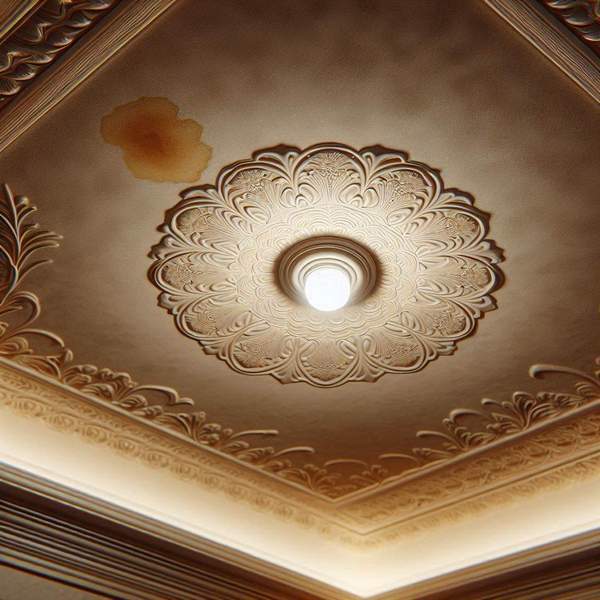
Water spots on ceilings or walls might seem like minor cosmetic issues, but they can indicate serious underlying problems. Homeowners and property buyers should be aware that these seemingly trivial marks can lead to significant structural damage and costly repairs if not addressed promptly. Understanding the potential implications of a tiny water spot is crucial for maintaining property value and safety.
Understanding the Causes and Risks
Water spots are often a symptom of larger issues such as roof leaks, plumbing failures, or poor ventilation. When left unchecked, these issues can lead to:
- Mold Growth: Moist environments foster mold, which can pose health risks and decrease property value.
- Structural Damage: Prolonged water exposure can weaken building materials, leading to costly repairs.
- Electrical Hazards: Water intrusion near electrical systems can create dangerous conditions.
Identifying and Addressing Water Spots
Homeowners should be vigilant in inspecting their properties for water spots, especially in high-risk areas such as attics, basements, and near plumbing fixtures. Key steps include:
- Regular Inspections: Schedule regular inspections of roofs and plumbing systems to catch issues early.
- Check Ventilation: Ensure proper ventilation in areas prone to moisture to prevent condensation and mold.
- Professional Evaluation: Engage a certified home inspector to assess the situation and recommend solutions.
Industry Standards and Best Practices
Adhering to industry standards is vital. Professional inspectors typically follow guidelines such as those set by the International Association of Certified Home Inspectors, which emphasize thorough evaluations and accurate reporting. Homeowners should ensure that any hired inspectors are certified and adhere to these standards to guarantee a comprehensive assessment.
In conclusion, addressing water spots promptly is essential to prevent extensive damage and maintain a property’s integrity. Professional home inspection services can provide the expertise needed to identify and rectify issues, safeguarding both property and occupants.