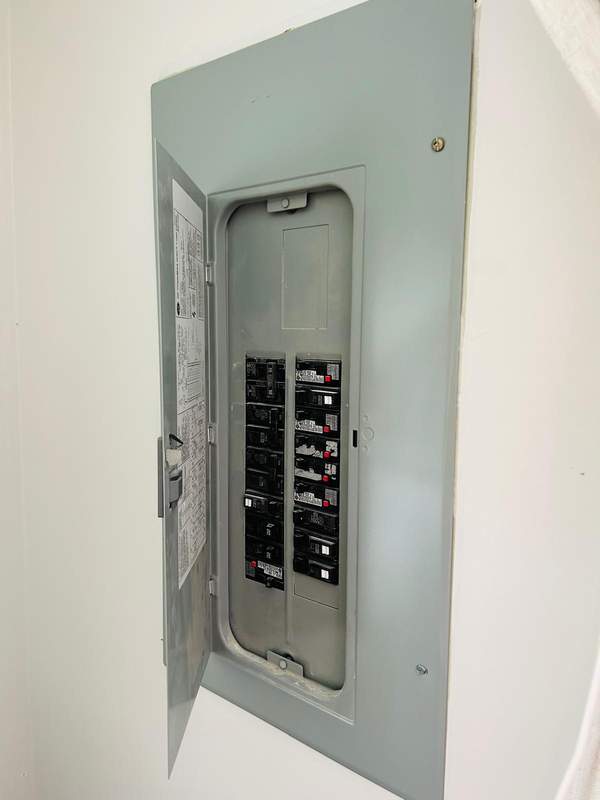
In every home, the electrical system operates like a well-orchestrated symphony, from the subtle flickers of light bulbs to the more alarming signs of potentially hazardous electrical issues. Understanding this symphony is crucial for homeowners and potential buyers alike, ensuring both safety and efficiency. A comprehensive knowledge of electrical systems not only prevents potential hazards but also enhances the longevity and functionality of a home’s electrical components.
Recognizing Electrical Issues: The Signs and Their Implications
Electrical systems can exhibit a range of symptoms signaling underlying issues. Common indicators include flickering lights, frequently tripped circuit breakers, and unusual odors near outlets or switches. Each of these signs can point to distinct problems within the system:
- Flickering Lights: Often indicative of loose wiring or overloaded circuits, this can lead to more serious issues if not addressed promptly.
- Tripped Circuit Breakers: While occasional trips are normal, frequent incidents could suggest circuit overloads or faulty devices.
- Odors or Sparks: These are critical warning signs of potential electrical fires and should be investigated immediately by a professional.
Ensuring Electrical Safety: Best Practices and Standards
To maintain a safe and efficient electrical system, adherence to industry standards and regulations is paramount. Homeowners should ensure that all installations and repairs comply with the National Electrical Code (NEC), which outlines safety measures and technical specifications for electrical systems.
- Regularly inspect and test smoke detectors and carbon monoxide alarms.
- Ensure that all electrical fixtures, outlets, and wiring are appropriate for the intended load.
- Engage professional inspectors for a thorough examination of the electrical system, especially before purchasing a property.
Leveraging Professional Inspections
While homeowners can perform basic checks, professional inspections provide a comprehensive assessment that identifies potential risks and ensures compliance with safety standards. Inspectors typically evaluate the condition of the electrical panel, check for outdated wiring, and assess the overall integrity of the system.
By understanding the complexities of a home’s electrical symphony, homeowners and buyers can ensure a safe and efficient living environment. Regular professional inspections offer the expertise needed to identify and mitigate potential hazards, safeguarding both property and occupants.