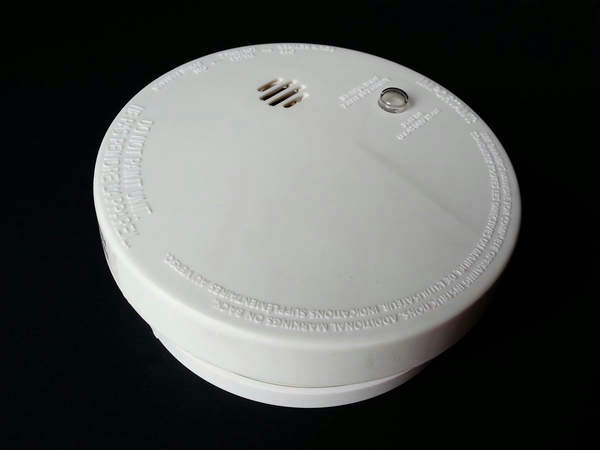
Smoke alarms are a crucial component of home safety, designed to alert residents to potential fire hazards. Over time, these devices can become less effective, compromising their ability to provide timely warnings. Understanding when to replace smoke alarms is essential for maintaining optimal safety and ensuring compliance with current safety standards.
Understanding Smoke Alarm Lifespan
Most smoke alarms have a lifespan of 8 to 10 years, as recommended by manufacturers and safety organizations. After this period, the sensors may degrade, reducing the alarm’s effectiveness. Homeowners are encouraged to check the manufacture date on the back of the device. If the alarm is nearing its expiration, it should be replaced to maintain safety standards.
Signs It’s Time to Replace Smoke Alarms
Beyond age, certain signs can indicate that a smoke alarm needs replacement:
- Frequent False Alarms: Alarms that sound frequently without cause may have malfunctioning sensors that require replacement.
- No Sound During Tests: If pressing the test button does not produce sound, the alarm system may be failing.
- Yellowing of the Device: Discoloration can indicate aging plastic and components, signaling it’s time for a new unit.
Best Practices for Smoke Alarm Replacement
To ensure the effectiveness of smoke alarms, homeowners should follow these best practices:
- Replace batteries at least once a year, even if the unit is hardwired.
- Install alarms on every level of the home, including inside and outside sleeping areas.
- Consider interconnected smoke alarms for added safety, which ensure all units sound an alarm when one detects smoke.
Homeowners are advised to adhere to local building codes and safety standards, which may vary by region. Many standards recommend the use of both ionization and photoelectric smoke alarms for comprehensive coverage.
In summary, regular replacement and maintenance of smoke alarms are vital steps in home safety. While homeowners can visually inspect these devices, enlisting professional home inspection services can provide peace of mind by ensuring all safety measures are up to date and functioning properly.