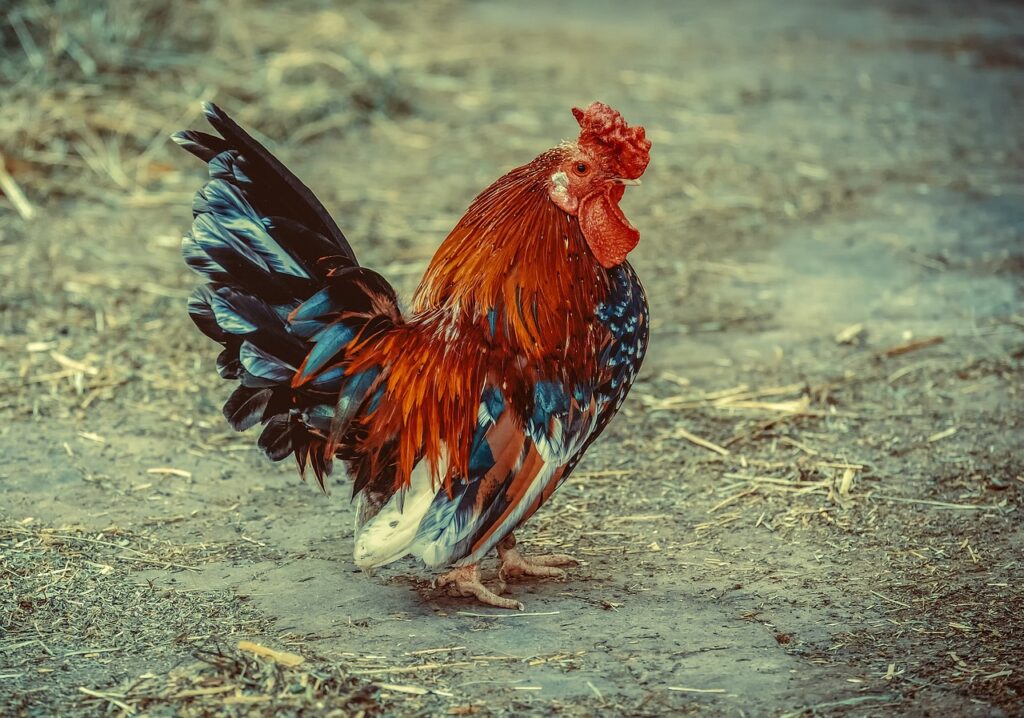
Raising chickens on your property can be a rewarding and enjoyable experience. Not only do chickens provide fresh eggs and entertainment, but they can also help with pest control and fertilizing your garden. However, before you dive into chicken ownership, there are several important factors to consider to ensure a successful and harmonious integration of these feathered friends into your lifestyle. Let’s explore some key considerations before getting chickens for your property.
- Local Regulations and Zoning Laws
Before bringing chickens onto your property, familiarize yourself with local regulations and zoning laws regarding urban or suburban poultry keeping. These may be in relation to the number of chickens allowed, coop placement, and distance requirements from neighboring properties. Ensure that keeping chickens is permitted in your area and obtain any necessary permits or licenses.
- Available Space
Assess the amount of space you have available for keeping chickens. Chickens need sufficient space to roam, scratch, and forage. A spacious outdoor area allows chickens to exhibit natural behaviors and reduces the risk of boredom and aggression. Additionally, consider the size and layout of your property when planning the location of the chicken coop and run.
- Housing and Shelter
Invest in a suitable chicken coop or shelter that provides protection from predators, inclement weather, and extreme temperatures. The coop should be well-ventilated, secure, and easy to clean. Adequate roosting space and nesting boxes are essential for the comfort and well-being of your chickens. Choose a coop size that accommodates the number of chickens you plan to keep and allows room for expansion if needed.
- Predator Protection
Predators such as raccoons, foxes, and birds of prey pose a significant threat to backyard chickens. Take measures to predator-proof your coop and run by installing sturdy fencing, securing latches, and using predator deterrents such as motion-activated lights or sound devices. Regularly inspect the perimeter for signs of digging or tampering and promptly address any vulnerabilities.
- Feeding and Nutrition
Provide a balanced diet for your chickens consisting of commercial poultry feed supplemented with fresh fruits, vegetables, and kitchen scraps. Access to clean water should be available at all times. Consider incorporating a chicken feeder and waterer designed to minimize waste and contamination. Additionally, research specific dietary requirements for different chicken breeds and life stages, such as chicks, layers, or meat birds.
- Time and Maintenance
Owning chickens requires a commitment of time and effort for daily care and maintenance. Tasks such as feeding, watering, cleaning the coop, collecting eggs, and monitoring for signs of illness or injury are part of regular chicken husbandry. Be prepared to dedicate time each day to attend to your chickens’ needs and ensure their health and well-being.
- Noise and Odor
While chickens are generally not as noisy or smelly as other livestock, they can still produce noise and odor, especially if their living quarters are not properly maintained. Consider your proximity to neighbors and any potential nuisance factors such as crowing or odor emissions. Take steps to minimize odors by regularly cleaning the coop, composting waste, and providing adequate ventilation.
- Egg Production and Disposition
If one of your motivations for keeping chickens is egg production, consider factors such as egg yield, frequency, and management of surplus eggs. Determine whether you plan to consume the eggs yourself, share them with friends and family, or sell them locally. Proper egg handling and storage practices are essential for food safety and quality.
- Long-Term Commitment
Chickens can live for several years, with some breeds reaching a lifespan of 8-10 years or more. Consider the long-term commitment involved in caring for chickens and ensure that you are prepared to provide ongoing care and attention throughout their lives. Factor in potential life changes such as moving, travel, or changes in lifestyle that may impact your ability to care for your chickens.
- Education and Resources
Educate yourself about the basics of chicken care, behavior, and health management before acquiring chickens. Take advantage of online resources, books, workshops, and local poultry clubs to expand your knowledge and skills. Consider connecting with experienced chicken keepers in your community for advice, support, and mentorship.
In conclusion, keeping chickens on your property can be a fulfilling and enriching experience, but it requires careful planning and consideration of various factors. By addressing important considerations such as local regulations, available space, housing and shelter, predator protection, feeding and nutrition, time and maintenance, noise and odor, egg production, long-term commitment, and education and resources, you can set yourself up for success as a responsible chicken owner. With proper care and attention, your backyard flock can thrive and provide you with years of enjoyment and fresh, nutritious eggs.